
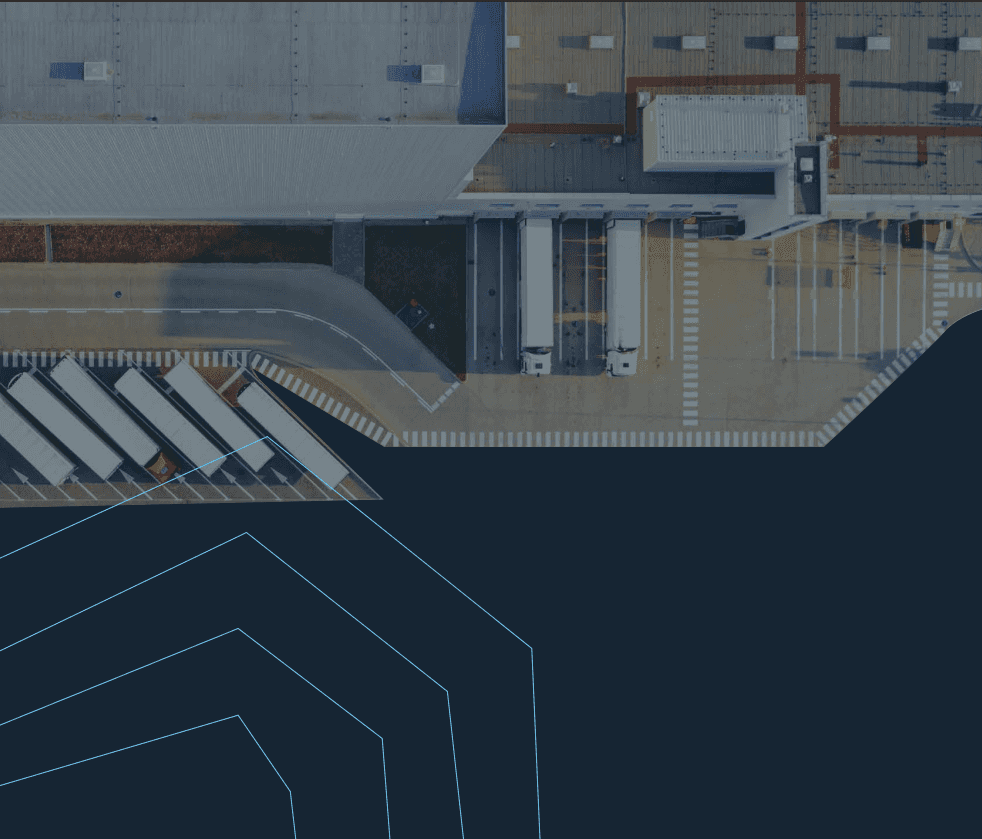
Evaluating a logistics warehouse location starts with roads, truck movement, customers, labor and utilities, not geographic distance alone.
Map the movement network
Identify where goods come from and where they need to go. The port, supplier, customer or target city can change the value of a location depending on the operating model.
Test the route with a truck in mind
A short geographic distance can hide difficult turns, movement restrictions or congestion. Assess the actual route that the business vehicles will rely on.
Watch entry and exit conditions
Gate design, street width, turning, waiting and loading areas affect the number of trips the site can serve each day.
Consider proximity to labor and services
A warehouse needs people, maintenance, suppliers and daily services. A remote location may increase cost or make operations harder.
Check utilities and infrastructure
Electricity, water, telecommunications, drainage and safety provisions all affect whether a site is operationally suitable. Confirm what is actually available for the intended activity.
Understand the surrounding environment
Look at neighboring activities, truck movement, possible expansions and vacant land. A suitable industrial setting can support operations, but you still need to understand risks and restrictions.
Time matters more than kilometers
In logistics, an extra ten minutes on every trip can turn into hours and additional cost over a month. Compare locations by travel and operating time, not distance alone.
Next step
If you are comparing warehouses for your own use or for investment, review the Mehad warehouse project page and the approved project specifications, then submit your request to arrange a site visit.